

• Home
  • What We Do
    • Our Mission
    • Our Active Campaigns
      • Fin Free
      • Kids & Sharks
      • Positive Media
      • Operation Requiem
      • Nets Campaign
      • Animals Helping Animals
      • The Science of Sharks
    • Shark Cherubs
    • Introducing Charlie
    • Equality Statement
  • Get Involved
    • World Ocean Day Auction
    • Ways to Save Sharks
    • The Shark Angel's Pledge
    • Contact Us
    • Submit a Shark Issue
    • Expeditions
      • Swim with Whale Sharks
    • Fin Free
      • Fin Free New York
      • Fin Free New Jersey
      • Petitions
        • Fin Free NYC
        • Fin Free Pennsylvania
  • Who We Are
    • About Us
    • Why Sharks
    • Why Shark Angels
    • Our History
    • Featured Angels Meet some very special angels.
      • Julie Andersen
      • Olivia Symcox
      • Florentine Leloup
      • Cristina Zenato
      • Jamie Pollack
      • Sanaa Benjelloun
      • Alisa Schwartz
      • Andy Brandy Casagrande IV
      • Briana Darcy
      • Joe Romeiro
      • Rob Stewart
      • Paul Wildman
      • Mark Addison
      • Fred Buyle
      • Jess Vyvyan-Robinson
      • Debra Canabal
      • Claudia Li 李妍蕙
      • Brandon McMillan
      • Jillian Morris
      • Lea Griffin Grace
      • Olivia Taylor
      • Carlie Matthews
      • Lisa Harris
      • MORE
    • Featured Cherubs Meet some very special kids.
    • The Team
  • Issues Facing Sharks
    • Overview: The Sharks' Plight
    • Sharks Aren't Monsters
    • Evolved to Perfection
    • Why We Need Sharks
    • State of Sharks - Statistics
    • Shark Fin Soup
    • Laws Protecting Sharks
      • Marine Protected Areas
      • Shark Finning
      • Shark Fishing
      • Why Protection Is Lacking
      • What About CITES
      • Do Laws Protect Sharks
    • List of Shark Products
    • Links to More Info
    • The Truth About Sharks
  • News & Media
    • Video Gallery
    • Photo Gallery
    • Press
    • Latest News
  • Donate
  • Get Gear
Issues Facing Sharks Shark Fin Soup

Shark Fin Soup

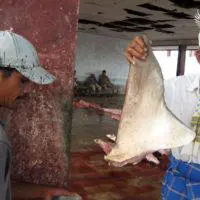
  • Consumers are largely unaware of the origins of shark fin. Studies in Hong Kong and Taiwan show that consumers have little understanding of where shark fin soup comes from, of overfishing, of illegal shark fishing or of the practice of finning. This implies that with proper education, consumption patterns could change dramatically.
  • Shark fin soup is a traditional Chinese delicacy associated with prosperity, honor and good fortune is served at important occasions such as corporate banquets, weddings, and New Years celebrations.
  • One of the eight treasured foods from the sea symbolizing wealth and fit for an emperor, hosts serve shark fin soup to honor their guests and fear their guests would be insulted and they would be considered “cheap” (or lose face) if shark fin soup is not served.
  • Once reserved for special occasions, shark fin is now commonly consumed in major cities as an indication of stature – with its prevalence highlighted by the fact it is even served at low cost buffets.
  • Shark fins are tasteless, and may contain high levels of toxic methyl-mercury.
  • The vitality of the Chinese economy has driven demand for shark fin soup.
  • Shark fins are surpassed in cost only by such foods as caviar and truffles - $100+ a bowl. This has resulted in a worldwide, dangerous trade likened to the drug and weapons trades—rife with mafia, murder, and violence.
  • Shark fins, exported to Asia for shark fin soup, are now among the most expensive seafood products in the world, fetching up to 500 euros ($676) per kilogram. A single Whale Shark pectoral fin can sell for up to $100,000 USD and a Basking Shark pectoral fin fetching up to $250,000 USD.
  • There are many other uses for shark products. A common ingredient in fish and chips in the UK and Australia is “rock salmon” otherwise known as Spiny Dogfish Shark. Shark oil is commonly used in makeup and cosmetics, shark cartilage pills are sold in health food stores, and shark steaks are sold throughout the world.
  • The sale of shark fin products is legal throughout the world, including the United States. The Chinese restaurant, the health food store, even the beauty salon down the street may be selling shark products.
  • Shark fin soup is thought to be an aphrodisiac in some cultures, but it can actually cause infertility.
  • The consumption of shark products carries warnings from the U.S. Food and Drug Administration (FDA), the U.S. Environmental Protection Agency (EPA), the World Health Organization (WHO), the Food and Agriculture Organization of the United Nations (FAO), and even New York City’s Department of Health, to name but a few credible organizations.
  • A great deal of publicly available research and data exists regarding the serious health conditions associated with consumption of shark products due to the high levels of mercury and other contaminants found in the sharks’ flesh.
  • Because of these health risks, most health organizations advise that children and women of childbearing age should not consume any shark meat at all, and everyone else should limit consumption to no more than one (?)-ounce serving per month.  The Florida Department of Health goes further to warn that everyone should avoid the consumption of any sharks over 43 inches in length.
  • The developing brain of the human fetus is very vulnerable to mercury, so consuming shark products while pregnant can result in mental disabilities in babies. There is also an association between mercury and autism. In adults, mercury can cause damage to the central nervous system and cardiovascular system. Mercury can also lower sperm count and cause sterility among men.
  • The legal limit for consumption of methyl-mercury, set by the EPA, is 0.1 microgram per kilogram of body weight. Studies have shown shark meat contains as much as 1,400 micrograms of methyl-mercury in one kilogram. A person weighing 155 lbs would therefore get 50 times the legal amount in one single portion of shark steak.
  • Often it is argued that consumption of shark fin soup is a long standing Asian tradition. In reality, it is only in the past 50 years that shark fin soup has been accessibly to any but the most elite in Asia. For the vast majority, this is new “tradition” driven by trade marketing not dissimilar to other consumer branding campaigns.

10 Ways You Can Save Sharks

Earn Your Wings

How Kids Can Help

Tweet

Add comment


Security code
Refresh

Send
Cancel
JComments

The Truth About Sharks

image One
Predator or Prey

Sharks kill fewer than 4 humans on average each year, while humans kill an estimated 100 million sharks annually.

image Two
Evolved to Perfection

Sharks have been honed to perfection, having existed on this planet for over 400 million years.

image Three
Why We Need Sharks

Sharks play a vital role at the top of the food chain by maintaining balance in the oceans.

image Four
Looming Extinction

* An estimated 73 million sharks are killed each year (that works out to more than 10,000 sharks per hour).

image Five
Shark Fin Soup

Shark fins are tasteless, and may contain high levels of toxic methyl-mercury.

image Six
Laws Protecting Sharks

Only a small number of countries have banned finning - many more need to be encouraged to enact legislation.

image Seven
Shark Products

Many people assume that because they don’t eat shark fin soup – then they can’t possibly be contributing to the demise of the sharks and rays.

Help Center

  • Become an Angel
  • Contact Us
  • Equality Statement
  • Angels Network

Contact Info

Shark Angels
Email: angels@sharkangels.org
Twitter: sharkangels
Facebook: Shark Angels
Tel:  +1 917 546 6618

Join Mailing List

Get the latest from the Angels.

Please wait
Try again
Designed By
Powered By
Copyright 2011 Shark Angels Scroll To Top

Technical Support by Kalemanzi Media Solutions